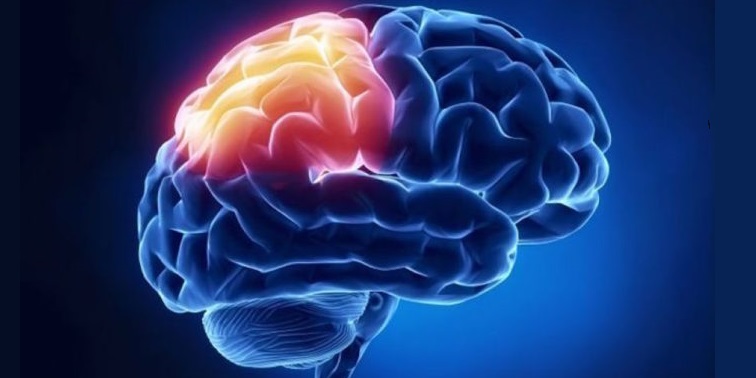
Brain Tumor Surgery: When Is Surgery Really Needed?
Being diagnosed with a brain tumor can be frightening, and one of the first questions patients and their families often ask is: “Will I need brain surgery?”
The answer is not always straightforward. Brain tumors are different in their type, size, location, growth pattern, and effect on surrounding brain tissue. Some tumors may be monitored with regular imaging, while others may require surgery to obtain a diagnosis, relieve pressure, control symptoms, or remove as much of the tumor as safely possible.
The decision to recommend surgery is made after carefully considering the individual patient's condition, imaging findings, tumor characteristics, and the potential benefits and risks of the procedure.
What Is Brain Tumor Surgery?
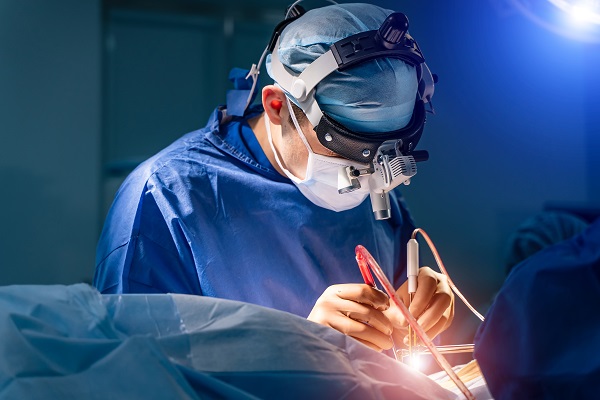
Brain tumor surgery refers to surgical procedures used to diagnose or treat a tumor located in the brain or surrounding structures.
Depending on the situation, surgery may be performed to obtain a tissue sample for diagnosis, remove part or all of a tumor, reduce pressure on the brain, or relieve symptoms caused by the tumor.
In many cases, the goal is a maximal safe resection, which means removing as much of the tumor as safely possible while protecting important areas of normal brain function.
When Is Brain Tumor Surgery Really Needed?
Surgery is not automatically required for every brain tumor. The need for surgery depends on several important factors.
1. When the Tumor Is Causing Significant Symptoms
A tumor can cause symptoms by pressing on or affecting nearby areas of the brain.
Symptoms may include persistent headaches, seizures, weakness, numbness, changes in vision, speech difficulties, balance problems, memory changes, or changes in behaviour and concentration.
If the tumor is causing significant or progressive symptoms, surgery may be considered to treat the underlying problem or reduce pressure on affected areas of the brain.
2. When Tissue Diagnosis Is Needed
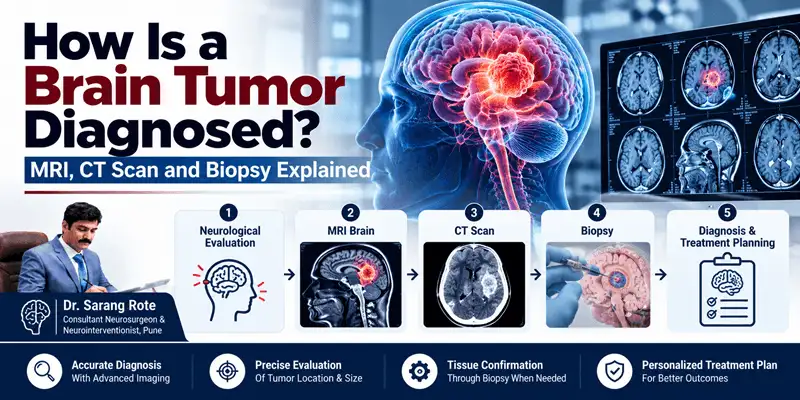
Imaging such as MRI or CT can provide important information about a suspected brain tumor, but in some situations doctors need a tissue sample to determine the exact tumor type.
A biopsy may be performed to obtain tumor tissue for examination by a pathologist. Depending on the location of the tumor, this may involve a stereotactic biopsy or an open surgical procedure.
Knowing the exact tumor type and characteristics can help doctors determine the most appropriate treatment plan.
3. When the Tumor Is Causing Pressure on the Brain
As a brain tumor grows, it can occupy space inside the skull and place pressure on surrounding brain tissue.
This pressure can contribute to symptoms such as headaches, nausea, vomiting, vision problems, and other neurological changes. In appropriate cases, surgery can reduce the amount of tumor and relieve pressure on the brain.
4. When the Tumor Can Be Safely Removed
The location of a tumor is one of the most important factors when considering surgery.
Some tumors are located in areas where surgeons can remove a significant portion of the tumor while preserving important neurological functions. In such cases, surgery may provide both diagnostic and therapeutic benefits.
However, a tumor located deep within the brain or close to areas controlling speech, movement, vision, breathing, or other essential functions may require a different approach.
5. When Surgery Can Help Reduce the Tumor Burden
For some brain tumors, removing as much of the tumor as safely possible can be an important part of treatment.
In certain tumors, surgery may be followed by additional treatments such as radiation therapy or chemotherapy. For tumors that cannot be completely removed because they infiltrate surrounding brain tissue, the goal may be to safely reduce the tumor burden rather than attempt complete removal at the expense of normal brain function.
Does Every Brain Tumor Need Surgery?
No.
Some brain tumors may not require immediate surgery.
For example, certain slow-growing tumors that are small and not causing symptoms may be monitored with regular MRI scans. This approach is known as active surveillance. If the tumor changes, grows, or begins causing symptoms, treatment options can then be reconsidered.
Similarly, surgery may not be appropriate when a tumor is located in a particularly difficult or high-risk area of the brain, or when the potential risks of surgery outweigh its expected benefits.
The decision should therefore be individualized rather than based only on the presence of a tumor.
What Factors Determine Whether Surgery Is Needed?
A neurosurgeon generally considers several factors before recommending brain tumor surgery.
Tumor Type
Different types of brain tumors behave differently. Some grow slowly, while others can be more aggressive.
Tumor Size
The size of a tumor and how much space it occupies inside the skull can influence symptoms and treatment decisions.
Tumor Location
A tumor near important areas responsible for speech, movement, vision, memory, or other neurological functions may require particularly careful planning.
Tumor Growth
Changes in tumor size or appearance on follow-up MRI scans can influence whether active treatment is required.
Symptoms
The presence, severity, and progression of neurological symptoms are important considerations.
Overall Health
A patient's age, general health, medical conditions, and ability to undergo a major operation are also considered when evaluating treatment options.
What Are the Different Types of Brain Tumor Surgery?
The surgical approach depends on the type and location of the tumor.
Craniotomy
A craniotomy involves temporarily removing a portion of the skull to allow the neurosurgeon to access the tumor.
The surgeon may then remove as much of the tumor as can be safely removed while protecting surrounding brain structures.
Brain Tumor Biopsy
When complete removal is not appropriate or possible, a biopsy may be performed to obtain a tissue sample.
A stereotactic biopsy can be used for certain tumors located deep within the brain or in areas that are difficult to reach safely through conventional surgery.
Endoscopic Neurosurgery
For selected tumors and anatomical locations, minimally invasive endoscopic techniques may provide an alternative surgical route.
Endoscopic approaches can be particularly useful for certain skull-base and other tumors where access through smaller openings or natural pathways may be appropriate.
Skull Base Surgery
Tumors located around the skull base can be particularly complex because of their proximity to important nerves, blood vessels, and other critical structures.
Specialized skull-base surgical techniques may be used depending on the tumor's location and characteristics.
Dr. Sarang Rote's website lists microscopic and endoscopic skull-base neurosurgery among his areas of interest and expertise.
What Does "Maximal Safe Resection" Mean?
One of the most important principles in modern brain tumor surgery is maximal safe resection.
This does not necessarily mean removing every visible tumor cell at any cost.
Instead, the objective is to remove as much of the tumor as safely possible while preserving important neurological functions.
For tumors that are close to areas controlling speech, movement, vision, or other essential functions, the surgical team may use specialized planning and monitoring techniques to help protect these functions.
In selected cases, techniques such as functional brain mapping, intraoperative monitoring, awake craniotomy, neuronavigation, or intraoperative imaging may be considered.
What Happens If the Entire Tumor Cannot Be Removed?
Complete removal is not always possible or appropriate.
Some tumors grow into surrounding normal brain tissue, making complete removal difficult without risking neurological damage. In these situations, the neurosurgeon may remove as much of the tumor as can be safely achieved.
Additional treatment such as radiation therapy, chemotherapy, targeted therapy, or close MRI surveillance may then be considered depending on the tumor type and individual circumstances.
Is Brain Tumor Surgery Safe?
Brain surgery is a major procedure, and like any major operation, it has potential risks.
Possible complications can include bleeding, infection, reactions to anesthesia, brain swelling, seizures, or neurological problems depending on the location and nature of the tumor.
However, the potential risks are assessed before surgery and balanced against the expected benefits.
The surgical plan is also influenced by the tumor's location, relationship to important brain structures, the patient's general health, and the available treatment alternatives.
What Tests Are Done Before Brain Tumor Surgery?
Before surgery, the neurosurgical team may review brain imaging such as MRI or CT scans in detail.
These images help determine the tumor's size, location, relationship to surrounding structures, and other characteristics that can influence the surgical approach. MRI can also provide information that helps with surgical planning.
Additional investigations may be recommended depending on the patient's symptoms and the suspected tumor type.
What Happens After Brain Tumor Surgery?
After surgery, the patient is monitored closely for neurological changes and recovery.
An MRI or CT scan is commonly performed after surgery to assess the amount of tumor removed and to help guide further treatment when needed.
Depending on the tumor type, the patient may subsequently require radiation therapy, chemotherapy, targeted treatment, or regular MRI monitoring.
Recovery varies from person to person and depends on the type and location of the tumor, the extent of surgery, the patient's overall health, and whether additional treatment is required.
Why Choose Dr. Sarang Rote for Brain Tumor Surgery?
Dr. Sarang Rote is a Consultant Neurosurgeon & Neurointerventionist in Pune. His website lists brain tumor surgery, complex brain tumors, brainstem tumors, skull-base tumors, and endoscopic neurosurgery among his areas of expertise.
His professional profile also lists training in minimally invasive endoscopic brain and skull-base neurosurgery, as well as specialized training in cerebrovascular and skull-base surgery.
For selected brain tumors, treatment may involve advanced surgical approaches depending on the tumor's location, size, and relationship to important neurological structures.
The appropriate surgical plan is always determined after detailed evaluation and discussion of the potential benefits, risks, and alternatives for the individual patient.
When Should You Consult a Neurosurgeon?
If an MRI or CT scan has identified a brain tumor, consultation with a neurosurgeon can help you understand what the finding means and whether treatment is necessary.
You should also seek medical evaluation for persistent or progressive neurological symptoms such as:
- Persistent or worsening headaches
- New-onset seizures
- Weakness or numbness
- Changes in vision
- Difficulty speaking or understanding
- Problems with balance or walking
- Significant memory or concentration changes
- Unexplained personality or behaviour changes
Not every one of these symptoms indicates a brain tumor, but persistent or progressive neurological symptoms should be evaluated appropriately.
Final Thoughts
A diagnosis of a brain tumor does not automatically mean that surgery is required.
For some patients, regular monitoring may be appropriate. For others, surgery may be recommended to obtain a diagnosis, relieve pressure, control symptoms, or remove as much of the tumor as safely possible.
The decision depends on several factors, including the type, size, location, growth pattern, symptoms, and overall health of the patient.
If surgery is recommended, understanding its purpose, expected benefits, potential risks, and available alternatives can help patients and families make informed decisions with their neurosurgical team.
If you or a family member has been diagnosed with a brain tumor, consult a qualified neurosurgeon for an individualized evaluation and treatment plan.
















.jpeg)