Lumbar Spinal Stenosis: Causes, Symptoms and Treatment
Lower back pain is common and can have many causes. However, when back pain is accompanied by leg pain, numbness, weakness or difficulty walking for longer periods, the problem may sometimes involve narrowing of the spinal canal.
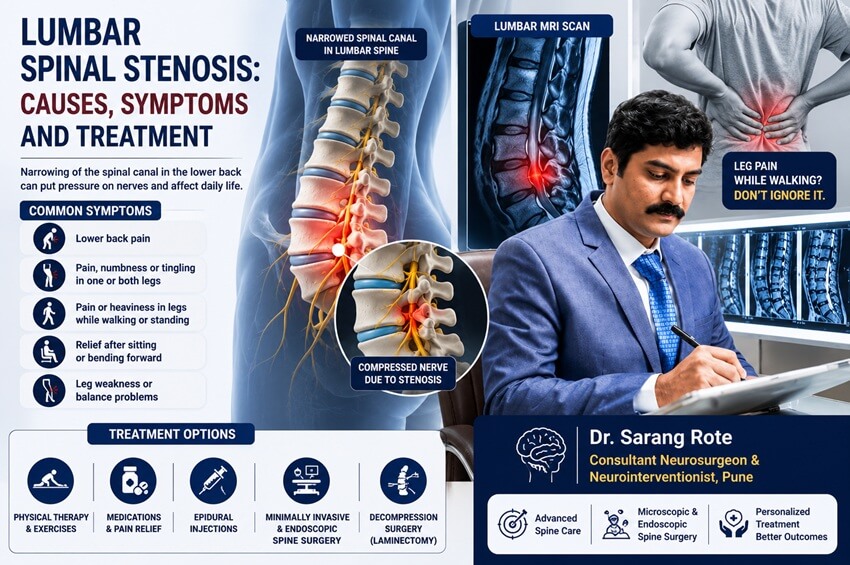
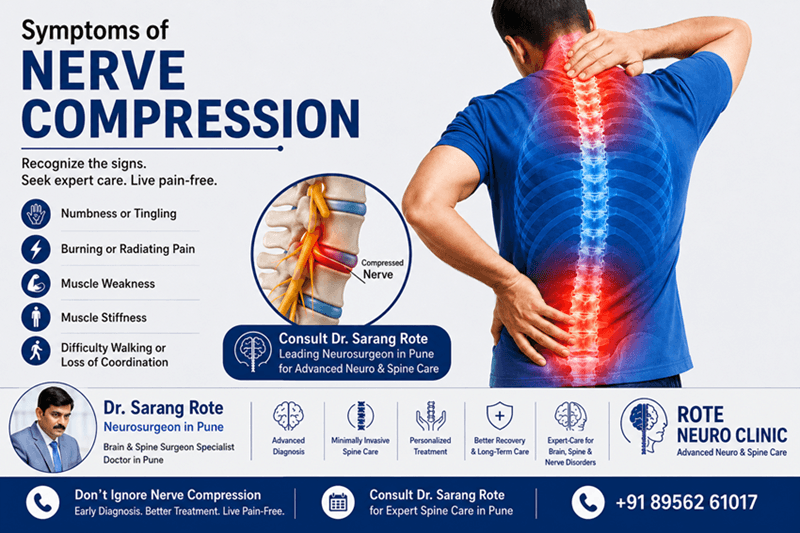
Lumbar spinal stenosis occurs when the space available for the nerves in the lower part of the spine becomes narrower. This narrowing can put pressure on the spinal nerves and lead to pain, tingling, numbness, weakness and difficulty walking.
The condition is more common with increasing age and is often associated with age-related changes in the spine. However, symptoms and severity can vary significantly from person to person.
Early evaluation can help identify the cause of symptoms and determine whether conservative treatment, injections or surgery may be appropriate.
What Is Lumbar Spinal Stenosis?
Lumbar spinal stenosis is a condition in which the spinal canal or the spaces through which spinal nerves pass become narrowed in the lower back.
The lumbar spine consists of five vertebrae in the lower part of the back. The spinal nerves travel through spaces in this region before continuing into the legs.
When these spaces become narrower, the nerves may become compressed or irritated.
Some people have lumbar spinal stenosis visible on imaging but experience no symptoms. Others may develop significant pain and difficulty walking.
What Causes Lumbar Spinal Stenosis?
Lumbar spinal stenosis most commonly develops gradually because of age-related wear and tear in the spine.
Several changes can contribute to narrowing of the spinal canal.
Age-Related Changes
As the spine ages, the discs, joints and supporting ligaments can undergo degenerative changes.
These changes can gradually reduce the available space for the spinal nerves.
Arthritis and Bone Spurs
Arthritis affecting the joints of the spine can cause extra bone growth called bone spurs.
These bone spurs can project into the spinal canal or nerve pathways and contribute to narrowing.
Herniated or Bulging Disc
The discs between the vertebrae act as cushions.
With age or injury, a disc may bulge or herniate and extend into the space occupied by spinal nerves.
This can contribute to nerve compression and symptoms.
Thickened Ligaments
Ligaments help support and stabilise the spine.
Over time, some spinal ligaments can become thicker and less flexible, reducing the space available for nerves.
Changes in Spinal Alignment
Conditions that affect the alignment or stability of the vertebrae can contribute to narrowing of the spinal canal or nerve passages.
Congenital Narrow Spinal Canal
Some people are born with a naturally narrower spinal canal.
In these individuals, relatively small age-related changes may produce symptoms earlier.
Previous Spine Injury or Surgery
Certain spinal injuries or changes following previous surgery can contribute to narrowing around the spinal nerves.
Who Is More Likely to Develop Lumbar Spinal Stenosis?
Age is one of the most important risk factors for lumbar spinal stenosis.
Other factors may include:
- Age-related arthritis
- Previous spinal injury
- Previous spinal surgery
- Congenital narrowing of the spinal canal
- Degenerative disc disease
- Conditions affecting spinal alignment
Having a risk factor does not necessarily mean that a person will develop symptoms.
Symptoms of Lumbar Spinal Stenosis
Some people with lumbar spinal stenosis have no symptoms.
When symptoms develop, they may begin gradually and become more noticeable over time.
Common symptoms include:
- Lower back pain
- Pain in the buttocks
- Pain radiating into one or both legs
- Numbness or tingling in the legs or feet
- Leg weakness
- Heaviness in the legs
- Difficulty standing for long periods
- Difficulty walking long distances
- Relief after sitting or bending forward
- Balance or mobility difficulties
The symptoms depend on which nerves are affected and how severe the narrowing is.
Leg Pain While Walking: A Common Warning Sign
One of the characteristic patterns associated with lumbar spinal stenosis is pain or discomfort in the legs while standing or walking.
A person may notice that after walking a certain distance:
- The legs begin to hurt
- The legs feel heavy
- Numbness or tingling develops
- The legs feel weak
- The person needs to stop and rest
The symptoms may improve after sitting down or bending forward.
This pattern is often called neurogenic claudication.
Why Does Bending Forward Sometimes Help?
When a person bends forward, the space available for certain spinal nerves can increase.
This may temporarily reduce pressure on the nerves.
Some people therefore find that:
- Sitting feels better than standing
- Leaning forward while walking provides relief
- Using a shopping trolley makes walking easier
- Resting reduces leg symptoms
This characteristic pattern can provide useful information during a medical evaluation.
Lumbar Spinal Stenosis and Back Pain
Lower back pain can occur with lumbar spinal stenosis, but not everyone with spinal stenosis experiences significant back pain.
For some patients, leg symptoms are more prominent than back pain.
The pain may be accompanied by:
- Stiffness
- Muscle discomfort
- Radiating pain
- Numbness
- Tingling
- Leg heaviness
Because many conditions can cause lower back pain, proper evaluation is important when symptoms persist or progressively interfere with daily activities.
Numbness and Tingling in the Legs
Pressure on spinal nerves can affect sensation.
Patients may experience:
- Tingling
- Pins-and-needles sensation
- Numbness
- Burning sensations
- Reduced sensation in the legs or feet
The location of these symptoms can depend on which nerve roots are affected.
Leg Weakness
Lumbar spinal stenosis can sometimes cause weakness in the muscles supplied by compressed nerves.
Patients may notice:
- Difficulty climbing stairs
- Trouble standing from a chair
- Frequent tripping
- Difficulty lifting the foot
- Legs feeling heavy
- Reduced walking endurance
Progressive weakness should be evaluated promptly.
When Should Lumbar Spinal Stenosis Be Taken Seriously?
Medical evaluation is particularly important when symptoms:
- Continue for several weeks
- Gradually become worse
- Limit walking or standing
- Cause increasing numbness
- Cause progressive weakness
- Interfere with work or daily activities
- Do not improve with appropriate conservative treatment
A doctor can determine whether the symptoms are caused by spinal stenosis or another spinal or neurological condition.
Emergency Symptoms
Although lumbar spinal stenosis often develops gradually, severe nerve compression can occasionally cause urgent neurological problems.
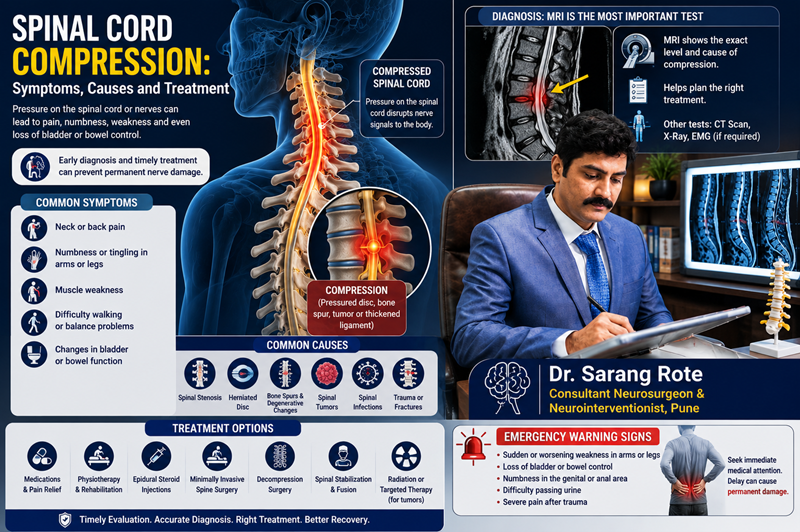
Seek immediate medical attention if there is:
- New loss of bladder control
- New loss of bowel control
- Difficulty passing urine
- Severe or rapidly worsening leg weakness
- Severe numbness around the inner thighs, buttocks or genital area
- Rapidly worsening neurological symptoms
These symptoms can indicate significant compression of the nerves and require urgent assessment.
How Is Lumbar Spinal Stenosis Diagnosed?
Diagnosis begins with a detailed medical history and physical examination.
The doctor may assess:
- Location of pain
- Walking ability
- Muscle strength
- Reflexes
- Sensation
- Balance
- Range of movement
- Symptoms during standing and walking
Imaging tests may then be recommended.
MRI for Lumbar Spinal Stenosis
MRI is one of the most useful imaging tests for evaluating lumbar spinal stenosis.
MRI can provide detailed images of:
- Spinal discs
- Spinal nerves
- Spinal canal
- Ligaments
- Vertebrae
- Soft tissues
It can help identify the location and severity of narrowing and determine whether spinal nerves are being compressed.
CT Scan
A CT scan provides detailed information about the bones and can help identify:
- Bone spurs
- Degenerative changes
- Narrowing of the spinal canal
- Structural abnormalities
CT may be useful when additional information about the bony structures is required or when MRI cannot be performed.
X-Ray
X-rays can show changes in the bones and alignment of the lumbar spine.
They may help identify:
- Arthritis-related changes
- Changes in spinal alignment
- Bone abnormalities
- Certain signs of instability
However, X-rays provide less information about nerves and soft tissues than MRI.
CT Myelography
In selected cases, CT myelography may be considered.
This examination combines CT imaging with contrast material introduced into the spinal canal to provide more detailed information about the spinal canal and nerve structures.
The choice of imaging depends on the patient's symptoms and clinical situation.
Nerve Tests
In selected patients, nerve conduction studies or electromyography may be considered.
These tests can help evaluate nerve function and may assist in determining whether symptoms are related to nerve compression or another neurological condition.
Lumbar Spinal Stenosis Treatment Options
Treatment depends on:
- Severity of symptoms
- Duration of symptoms
- Degree of nerve compression
- Neurological findings
- Impact on daily activities
- Response to previous treatment
- Overall health
Treatment options may include:
- Lifestyle modifications
- Physical therapy
- Medicines
- Injections
- Walking aids
- Surgical treatment
Not every patient with lumbar spinal stenosis needs surgery.
Conservative Treatment
For patients with mild or moderate symptoms, treatment may initially focus on non-surgical measures.
These may include:
- Physical therapy
- Appropriate exercise
- Strengthening of core and supporting muscles
- Flexibility exercises
- Weight management where appropriate
- Activity modification
- Medicines for pain or nerve-related symptoms
The treatment plan should be individualised according to the patient's condition.
Physical Therapy
Physical therapy can help improve strength, flexibility, posture and mobility.
A physiotherapist may design exercises that focus on:
- Core strengthening
- Lower-limb strength
- Flexibility
- Balance
- Walking ability
- Postural control
Exercises should be selected according to the patient's symptoms and physical condition.
Medicines
Depending on the symptoms, doctors may recommend medicines to help manage pain or nerve-related discomfort.
The choice of medication depends on factors such as:
- Type of pain
- Severity of symptoms
- Age
- Other medical conditions
- Other medicines being taken
Patients should use medicines only according to appropriate medical advice.
Epidural or Nerve Injections
In selected patients, injections around irritated or compressed nerves may be considered.
These injections may help reduce inflammation and provide temporary symptom relief.
They do not necessarily correct the underlying narrowing of the spinal canal.
The decision to use injections depends on the patient's symptoms and clinical assessment.
When Is Surgery Considered?
Surgery may be considered when:
- Symptoms are severe
- Walking ability is significantly reduced
- Nerve compression causes progressive weakness
- Symptoms persist despite appropriate conservative treatment
- Pain significantly affects quality of life
- There is significant neurological compression
The decision to operate should be based on the patient's symptoms, neurological findings and imaging rather than the MRI findings alone.
Lumbar Decompression Surgery
The main goal of decompression surgery is to create more space for the spinal nerves.
One commonly used procedure is laminectomy.
During a laminectomy, part of the bone at the back of the vertebra is removed to increase the available space around the compressed nerves.
The exact surgical technique depends on the location and cause of the stenosis.
Laminotomy
A laminotomy removes only part of the lamina to create additional space for a compressed nerve.
It may be considered when more targeted decompression is appropriate.
Spinal Fusion
In selected patients, spinal fusion may be performed along with decompression.
Fusion may be considered when there is significant spinal instability or certain alignment problems.
The need for fusion depends on the patient's individual anatomy and clinical condition.
Minimally Invasive Spine Surgery
Selected patients may be suitable for minimally invasive decompression techniques.
These techniques aim to reduce tissue disruption while providing adequate decompression of the affected nerves.
The suitability of minimally invasive surgery depends on:
- Location of stenosis
- Number of affected levels
- Spinal stability
- Alignment
- Presence of disc problems
- Individual anatomy
Not every patient is a candidate for minimally invasive surgery.
Endoscopic Spine Surgery
Endoscopic spine surgery uses a small camera and specialised instruments through a small access pathway.
In selected spinal conditions, endoscopic techniques may provide targeted decompression with less disruption of surrounding tissues.
Whether endoscopic surgery is appropriate for lumbar spinal stenosis depends on the exact location and anatomy of the compression.
Advanced Treatment Planning for Lumbar Spinal Stenosis
Modern treatment planning focuses on identifying exactly where the nerves are compressed and understanding how the patient's symptoms correspond to the imaging findings.
A specialist may consider:
- MRI findings
- Neurological examination
- Walking limitations
- Pain pattern
- Numbness and weakness
- Spinal alignment
- Previous treatments
- Overall health
This helps determine whether conservative care, injection treatment or surgery is appropriate.
Lumbar Spinal Stenosis Treatment in Pune
Lumbar spinal stenosis can significantly affect mobility and quality of life when nerve compression becomes severe.
Dr. Sarang Rote is a Consultant Neurosurgeon & Neurointerventionist in Pune. His website highlights experience in spine conditions, microscopic spine surgery and endoscopic spine surgery.
For patients with persistent back pain, leg symptoms, numbness, weakness or difficulty walking, specialist evaluation can help determine the cause and appropriate treatment approach.
The treatment plan depends on the patient's symptoms, neurological examination and imaging findings.
Why Choose Dr. Sarang Rote?
Lumbar spinal stenosis can involve complex interactions between the spinal bones, discs, ligaments and nerves.
Dr. Sarang Rote is a Consultant Neurosurgeon & Neurointerventionist in Pune with experience in spine surgery and advanced minimally invasive techniques.
Patients may consider specialist evaluation with Dr. Sarang Rote because of:
- Experience in spine-related neurosurgical conditions
- Microscopic spine surgery expertise
- Endoscopic spine surgery experience
- Focus on minimally invasive surgical approaches where appropriate
- Individualised assessment of spinal nerve compression
- Treatment planning based on symptoms, neurological examination and imaging
The most suitable treatment varies from patient to patient, and surgery is not required in every case.
Living With Lumbar Spinal Stenosis
Many patients can manage symptoms through a combination of appropriate exercise, physical therapy, lifestyle changes and medical treatment.
Helpful measures may include:
- Maintaining an appropriate body weight
- Staying physically active within comfortable limits
- Following a prescribed exercise program
- Avoiding activities that consistently worsen symptoms
- Using walking support when recommended
- Following the treatment plan provided by the doctor
- Attending follow-up appointments when required
The goal is to maintain mobility while managing symptoms safely.
Can Lumbar Spinal Stenosis Be Prevented?
Age-related spinal changes cannot always be prevented.
However, maintaining good overall health and protecting the spine may help support long-term spinal function.
Helpful habits may include:
- Maintaining a healthy weight
- Regular physical activity
- Strengthening the core and supporting muscles
- Maintaining good posture
- Avoiding smoking
- Using proper lifting techniques
- Managing conditions such as arthritis appropriately
These measures cannot guarantee prevention of spinal stenosis, but they can support overall spinal health.
Frequently Asked Questions About Lumbar Spinal Stenosis
1. What is lumbar spinal stenosis?
Lumbar spinal stenosis is narrowing of the spinal canal or nerve pathways in the lower back. This narrowing can put pressure on spinal nerves and cause pain, numbness, tingling or weakness.
2. What causes lumbar spinal stenosis?
The most common causes include age-related degeneration, arthritis, bone spurs, bulging or herniated discs and thickening of spinal ligaments. Some people are also born with a narrower spinal canal.
3. What are the common symptoms of lumbar spinal stenosis?
Common symptoms include lower back pain, leg pain, numbness, tingling, weakness, leg heaviness and difficulty walking or standing for long periods.
4. Why does walking cause pain in lumbar spinal stenosis?
When a person stands or walks, the space available for certain spinal nerves can become more restricted. This can cause leg pain, heaviness, numbness or weakness. Symptoms may improve after sitting or bending forward.
5. Is lumbar spinal stenosis common with age?
Yes. Lumbar spinal stenosis becomes more common as people get older because degenerative changes in the spine can gradually reduce the available space for nerves.
6. Can lumbar spinal stenosis cause leg weakness?
Yes. Significant compression of spinal nerves can cause weakness in the muscles supplied by those nerves.
7. Is MRI necessary for lumbar spinal stenosis?
MRI is an important test because it can show the spinal canal, discs, nerves and other soft tissues in detail. Other tests such as X-rays or CT may also be used depending on the clinical situation.
8. Does everyone with lumbar spinal stenosis need surgery?
No. Some people have spinal stenosis without symptoms, while others can manage symptoms with physical therapy, medicines, activity modification or other non-surgical treatments.
9. When is surgery recommended for lumbar spinal stenosis?
Surgery may be considered when symptoms are severe, walking is significantly limited, neurological weakness is progressing or symptoms continue despite appropriate non-surgical treatment.
10. What is lumbar decompression surgery?
Lumbar decompression surgery aims to create more space around compressed spinal nerves. Procedures may include laminectomy or laminotomy depending on the cause and location of the narrowing.
11. Can lumbar spinal stenosis be treated with minimally invasive surgery?
Selected patients may be candidates for minimally invasive or endoscopic decompression. Suitability depends on the location and severity of the stenosis and the patient's individual spinal anatomy.
12. Can lumbar spinal stenosis cause bladder or bowel problems?
Severe nerve compression can sometimes affect bladder or bowel function. New bladder or bowel dysfunction, particularly with severe weakness or numbness, requires urgent medical evaluation.
13. Can exercise help lumbar spinal stenosis?
Appropriately selected exercises and physical therapy may help improve strength, flexibility, balance and mobility. Exercises should be chosen according to the patient's condition.
14. Who should I consult for lumbar spinal stenosis in Pune?
Patients with persistent or progressive symptoms may benefit from evaluation by a spine specialist such as a neurosurgeon or spine surgeon. Dr. Sarang Rote is a Consultant Neurosurgeon & Neurointerventionist in Pune with experience in spine surgery, including microscopic and endoscopic spine surgery.
Conclusion
Lumbar spinal stenosis is a common condition in which narrowing around the spinal nerves can cause lower back pain, leg pain, numbness, weakness and difficulty walking.
One of its characteristic symptoms is leg pain or heaviness that develops during standing or walking and improves after sitting or bending forward.
Treatment depends on the severity of symptoms and the degree of nerve compression. Many patients can initially be managed with physical therapy, medicines, lifestyle changes and other non-surgical treatments.
When symptoms become severe, neurological weakness progresses or conservative treatment does not provide sufficient relief, decompression surgery may be considered.
Modern microscopic, minimally invasive and endoscopic techniques may be suitable for selected patients depending on their spinal anatomy.
If persistent back pain, leg pain, numbness, weakness or walking difficulty is affecting your daily life, a detailed evaluation can help identify the underlying cause and guide appropriate treatment.
#LumbarSpinalStenosis #SpinalStenosis #LumbarStenosis #SpinalStenosisTreatment #LumbarSpinalStenosisPune #LumbarStenosisTreatment #LumbarDecompression #Laminectomy #MinimallyInvasiveSpineSurgery #EndoscopicSpineSurgery #SpineSurgery #LegPain #NeurogenicClaudication #NeurosurgeonInPune #DrSarangRote


.jpeg)