
Subarachnoid Hemorrhage: When a Sudden Severe Headache Is an Emergency
A sudden, extremely severe headache that reaches maximum intensity within seconds should never be ignored. In some cases, it can be a warning sign of a subarachnoid hemorrhage (SAH), a serious type of bleeding that occurs in the space surrounding the brain.
Subarachnoid hemorrhage is a medical emergency that requires immediate evaluation and treatment. The condition is often caused by the rupture of a brain aneurysm, although other causes such as head injury and certain blood-vessel abnormalities can also lead to bleeding.
Recognising the warning signs and seeking emergency medical attention quickly can be critical in reducing the risk of serious brain damage and other complications.
What Is a Subarachnoid Hemorrhage?
A subarachnoid hemorrhage occurs when blood enters the space between the brain and the thin tissues that cover it. This area is called the subarachnoid space.
Subarachnoid hemorrhage is a type of hemorrhagic stroke and can become life-threatening very quickly.
One of the most common causes of spontaneous subarachnoid hemorrhage is the rupture of a brain aneurysm. When an aneurysm bursts, blood can rapidly spread into the subarachnoid space and increase pressure around the brain.
Because the condition can progress rapidly, suspected subarachnoid hemorrhage requires urgent hospital assessment.
The Most Important Warning Sign: A Sudden Severe Headache
The classic symptom of subarachnoid hemorrhage is a sudden and extremely severe headache.
This type of headache is sometimes called a "thunderclap headache" because it can begin suddenly and reach severe intensity almost immediately.
Patients may describe it as:
- The worst headache they have ever experienced
- A sudden explosive headache
- A headache that reaches maximum intensity within seconds
- A severe headache that feels completely different from previous headaches
A sudden severe headache does not always mean that a subarachnoid hemorrhage has occurred, but this symptom should be treated seriously, particularly when it is accompanied by other neurological symptoms.
Other Symptoms of Subarachnoid Hemorrhage
A sudden severe headache may occur along with several other symptoms.
These can include:
- Nausea and vomiting
- Neck pain or neck stiffness
- Sensitivity to light
- Blurred or changed vision
- Confusion
- Drowsiness
- Loss of consciousness
- Seizures
- Weakness or numbness on one side of the body
- Difficulty speaking
- Facial weakness or drooping
- Difficulty walking or maintaining balance
The symptoms can vary from patient to patient. Some people may initially experience only a sudden severe headache, while others may develop multiple neurological symptoms.
Why Is Subarachnoid Hemorrhage an Emergency?
Bleeding around the brain can cause a rapid increase in pressure and may interfere with normal brain function.
A ruptured aneurysm can also bleed again, and complications can develop during the course of the illness.
Possible complications include:
- Rebleeding
- Reduced blood flow to parts of the brain
- Vasospasm
- Stroke
- Hydrocephalus
- Seizures
- Electrolyte abnormalities
- Brain injury
- Loss of consciousness
- Long-term neurological disability
Because of these risks, suspected subarachnoid hemorrhage should be evaluated immediately in an appropriate emergency medical setting.
What Causes a Subarachnoid Hemorrhage?
The most common cause of spontaneous subarachnoid hemorrhage is a ruptured brain aneurysm.
Other possible causes include:
- Head injury
- Arteriovenous malformation (AVM)
- Other abnormalities of the blood vessels
- Certain blood-vessel disorders
- Inflammatory conditions affecting blood vessels
A person may have a brain aneurysm without knowing about it because many unruptured aneurysms do not produce noticeable symptoms.
If an aneurysm ruptures, however, bleeding can occur suddenly and become life-threatening.
Brain Aneurysm and Subarachnoid Hemorrhage
A brain aneurysm is a weakened area in the wall of a blood vessel in the brain that forms a bulge or pouch.
Most brain aneurysms do not rupture. However, when an aneurysm does rupture, it can cause bleeding into the subarachnoid space.
This is why patients diagnosed with a brain aneurysm may require specialist assessment to determine whether monitoring or preventive treatment is appropriate.
The decision depends on factors such as the aneurysm's size, location, shape, growth, symptoms, medical history and other individual risk factors.
Who May Be at Higher Risk?
Several factors may be associated with a higher risk of brain aneurysm or aneurysm rupture.
These may include:
- High blood pressure
- Smoking
- Family history of brain aneurysm
- Certain inherited conditions
- Previous aneurysm
- Certain blood-vessel disorders
- Some connective tissue disorders
Having a risk factor does not mean that a person will definitely develop a subarachnoid hemorrhage.
However, people with significant risk factors should discuss their individual situation with an appropriate medical specialist.
How Is Subarachnoid Hemorrhage Diagnosed?
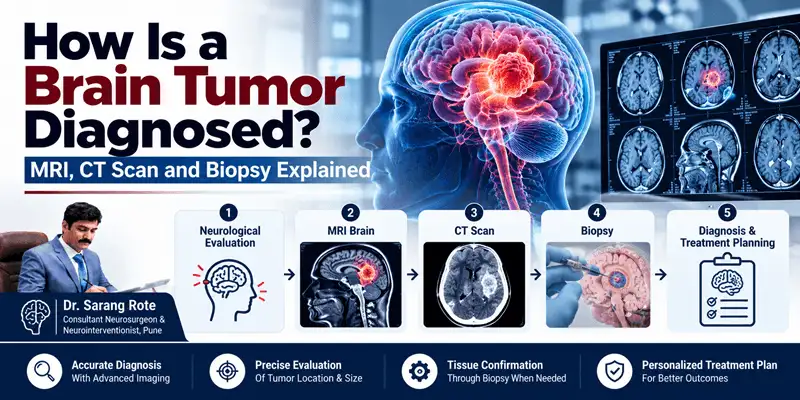
When subarachnoid hemorrhage is suspected, doctors usually perform urgent brain and blood-vessel imaging.
The exact tests depend on the patient's symptoms and clinical condition.
CT Scan of the Brain
A CT scan is commonly used to look for bleeding in the brain.
It can rapidly identify many cases of subarachnoid hemorrhage and is particularly important in an emergency setting.
CT Angiography
CT angiography can provide detailed images of the brain's blood vessels.
It can help doctors identify an aneurysm or another blood-vessel abnormality that may be responsible for the bleeding.
MRI and MR Angiography
MRI can provide detailed images of the brain, while MR angiography can be used to evaluate blood vessels.
These tests may be used in selected situations depending on the patient's condition and the clinical question being investigated.
Cerebral Angiography
Cerebral angiography provides detailed images of the blood vessels of the brain.
A catheter is guided through a blood vessel and contrast material is injected so that the brain's arteries can be visualised.
This can help specialists understand the exact location and anatomy of an aneurysm or other vascular abnormality and plan appropriate treatment.
Lumbar Puncture
In selected situations, if subarachnoid hemorrhage remains suspected despite initial imaging, a lumbar puncture may be considered.
During this procedure, cerebrospinal fluid is collected and examined for evidence of blood.
The decision to perform this test depends on the clinical situation and should be made by the treating medical team.
Treatment of Subarachnoid Hemorrhage
Treatment depends on the cause of the bleeding, the patient's neurological condition, the location and characteristics of any aneurysm, and other individual factors.
The initial priorities are to stabilise the patient, identify the source of bleeding and prevent further complications.
When a ruptured aneurysm is responsible, the aneurysm generally needs to be treated to reduce the risk of rebleeding.
Endovascular Coiling
Endovascular coiling is a minimally invasive procedure used to treat selected brain aneurysms.
A catheter is guided through the blood vessels to reach the aneurysm. Small coils are then placed inside the aneurysm to reduce blood flow into it and promote clot formation.
In selected cases, additional endovascular devices may be used depending on the aneurysm's anatomy.
Surgical Clipping
Surgical clipping is another treatment option for selected ruptured brain aneurysms.
During the procedure, the surgeon accesses the aneurysm and places a small clip across its neck to prevent blood from entering the aneurysm.
Whether clipping or endovascular treatment is more appropriate depends on the individual aneurysm and patient factors.
Other Endovascular Treatment Options
Depending on the aneurysm's anatomy, specialists may consider additional endovascular techniques.
These may include:
- Balloon-assisted coiling
- Stent-assisted coiling
- Flow-diversion techniques
- Other specialised endovascular devices
Not every treatment is suitable for every aneurysm.
The treatment plan should be based on detailed vascular imaging and specialist assessment.
Managing Complications After Subarachnoid Hemorrhage
Treatment does not end after the aneurysm has been secured.
Patients may require close monitoring for complications that can develop after a subarachnoid hemorrhage.
Vasospasm
Vasospasm occurs when blood vessels in the brain narrow after bleeding.
This can reduce blood flow to the brain and may contribute to a secondary stroke.
Doctors closely monitor patients for signs of reduced blood flow and may use appropriate medicines and other treatments when necessary.
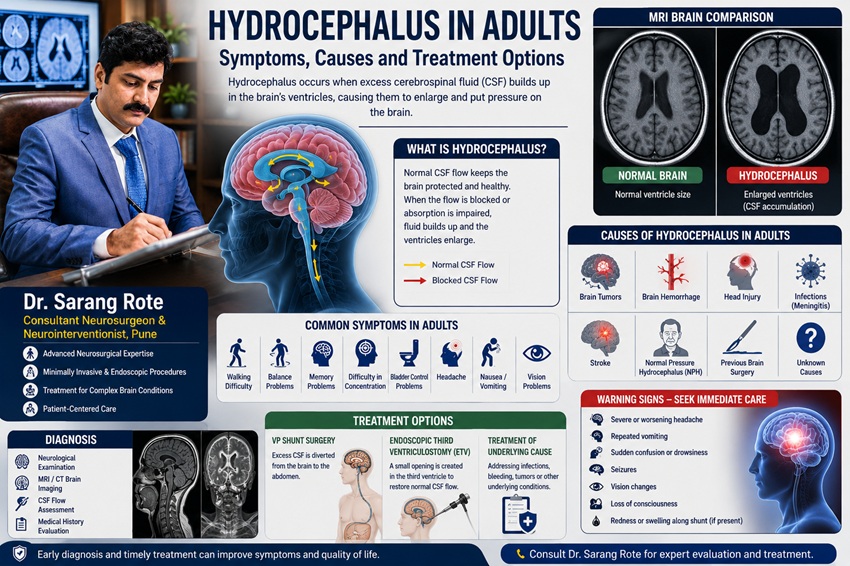
Hydrocephalus
Blood can interfere with the normal circulation or absorption of cerebrospinal fluid, leading to a buildup of fluid in the brain called hydrocephalus.
Some patients may require temporary or longer-term drainage procedures depending on the severity and persistence of the condition.
Seizures
Seizures may occur in some patients after a subarachnoid hemorrhage.
The treating team evaluates the patient and provides appropriate management when seizures occur or when seizure prevention is clinically indicated.
Recovery After Subarachnoid Hemorrhage
Recovery can vary significantly from one patient to another.
Some patients may recover well after early treatment, while others may experience neurological, physical, cognitive or emotional difficulties.
Recovery may involve:
- Regular neurological follow-up
- Physiotherapy
- Occupational therapy
- Speech and language therapy
- Cognitive rehabilitation
- Monitoring for complications
- Follow-up brain or vascular imaging
The recovery plan depends on the severity of the hemorrhage and the patient's individual needs.
When Should You Go to the Emergency Department?
Do not ignore a sudden, extremely severe headache.
Seek emergency medical attention immediately if a person develops:
- Sudden severe headache that reaches maximum intensity very quickly
- Severe headache with vomiting
- Severe headache with neck stiffness
- Loss of consciousness
- Seizure
- Sudden weakness or numbness
- Difficulty speaking
- Facial drooping
- Sudden vision problems
- Confusion or unusual drowsiness
A person experiencing these symptoms should receive urgent medical evaluation rather than waiting for the symptoms to disappear.
Can a Subarachnoid Hemorrhage Be Prevented?
Not every subarachnoid hemorrhage can be prevented.
However, managing important vascular risk factors can support overall brain and blood-vessel health.
Helpful measures include:
- Keeping blood pressure under appropriate control
- Avoiding smoking
- Following a healthy lifestyle
- Discussing significant family history with your doctor
- Following medical advice if an aneurysm has already been diagnosed
- Attending recommended follow-up imaging
- Seeking immediate medical attention for sudden severe neurological symptoms
People with a known brain aneurysm should follow the treatment or monitoring plan recommended by their specialist.
Subarachnoid Hemorrhage Treatment in Pune
Subarachnoid hemorrhage requires rapid evaluation by a specialised medical team.
Dr. Sarang Rote is a Consultant Neurosurgeon & Neurointerventionist in Pune. His website lists cerebrovascular surgery, stroke intervention, brain aneurysm coiling, interventional neuroradiology and brain aneurysm treatment among his areas of service.
For patients with a suspected or diagnosed cerebrovascular condition, specialist evaluation can help determine the appropriate diagnostic and treatment approach.
The treatment decision depends on the patient's neurological condition, imaging findings, source of bleeding and individual medical factors.
Why Choose Dr. Sarang Rote?
Subarachnoid hemorrhage and ruptured brain aneurysms can require highly specialised cerebrovascular and neurointerventional care.
Dr. Sarang Rote is a Consultant Neurosurgeon & Neurointerventionist in Pune with focused training in neurosurgery and neurointervention.
Patients may consider specialist consultation with Dr. Sarang Rote because of:
- Focus on cerebrovascular neurosurgery
- Expertise in neurointerventional procedures
- Brain aneurysm treatment and coiling services
- Experience with surgical and endovascular approaches
- Focus on minimally invasive treatment modalities where clinically appropriate
- Experience in stroke intervention
- Individual assessment of brain and blood-vessel conditions
Treatment should always be selected according to the patient's individual clinical condition and imaging findings.
Frequently Asked Questions About Subarachnoid Hemorrhage
1. What is a subarachnoid hemorrhage?
A subarachnoid hemorrhage is bleeding into the space between the brain and the tissues covering it. It is a serious form of hemorrhagic stroke and requires urgent medical attention.
2. What does a subarachnoid hemorrhage headache feel like?
The classic headache is sudden and extremely severe. It may reach maximum intensity within seconds and is often described as a thunderclap headache or the worst headache a person has experienced.
3. Is a sudden severe headache always a subarachnoid hemorrhage?
No. Many conditions can cause severe headaches. However, a sudden headache that reaches extreme intensity very quickly can be a warning sign of a medical emergency and requires urgent assessment.
4. What is the most common cause of subarachnoid hemorrhage?
A ruptured brain aneurysm is the most common cause of spontaneous subarachnoid hemorrhage. Head injury and other blood-vessel abnormalities can also cause it.
5. Can a brain aneurysm cause a subarachnoid hemorrhage?
Yes. When a brain aneurysm ruptures, blood can enter the subarachnoid space and cause a subarachnoid hemorrhage.
6. How is subarachnoid hemorrhage diagnosed?
Doctors may use CT scans, CT angiography, MRI, MR angiography or cerebral angiography. In selected cases, a lumbar puncture may also be considered.
7. Can subarachnoid hemorrhage be treated?
Yes. Treatment focuses on stabilising the patient, controlling complications and treating the source of bleeding when possible. If a ruptured aneurysm is responsible, treatment may include endovascular coiling, surgical clipping or another appropriate endovascular procedure.
8. What is brain aneurysm coiling?
Brain aneurysm coiling is a minimally invasive endovascular procedure in which small coils are placed inside an aneurysm to reduce blood flow into it and help prevent further bleeding.
9. What is the difference between coiling and clipping?
Coiling is performed through the blood vessels using a catheter, while clipping is an open surgical procedure in which a clip is placed across the aneurysm's neck. The appropriate treatment depends on the aneurysm and the patient's condition.
10. Can someone recover from a subarachnoid hemorrhage?
Recovery varies depending on the severity of the hemorrhage, complications, neurological condition and speed of treatment. Some patients recover well, while others may require rehabilitation and long-term follow-up.
11. Is subarachnoid hemorrhage life-threatening?
Yes. Subarachnoid hemorrhage can be life-threatening and requires urgent medical treatment. Early diagnosis and appropriate treatment are important for reducing the risk of serious complications.
12. When should I see a neurosurgeon in Pune for a sudden severe headache?
A sudden, extremely severe headache should be evaluated immediately in an emergency medical setting, especially when accompanied by vomiting, neck stiffness, loss of consciousness, seizure, weakness, speech problems or vision changes.
If a brain aneurysm or another cerebrovascular condition is suspected or diagnosed, a neurosurgeon or neurointervention specialist can provide further evaluation and treatment planning.
Conclusion
A sudden, severe headache should never be dismissed when it appears suddenly and reaches extreme intensity within seconds.
Subarachnoid hemorrhage is a serious medical emergency that can occur when a brain aneurysm ruptures or because of other causes such as head injury or vascular abnormalities.
Rapid diagnosis, identification of the bleeding source and appropriate treatment are essential. Depending on the individual condition, treatment may involve endovascular coiling, surgical clipping or other specialised procedures.
If you or someone around you develops a sudden, extremely severe headache or other symptoms suggestive of subarachnoid hemorrhage, seek emergency medical care immediately.
#SubarachnoidHemorrhage #SubarachnoidHemorrhagePune #BrainHemorrhage #BrainAneurysm #RupturedBrainAneurysm #ThunderclapHeadache #SuddenSevereHeadache #BrainAneurysmTreatment #BrainAneurysmCoiling #CerebrovascularSurgery #Neurointervention #NeurosurgeonInPune #StrokeAwareness #DrSarangRote

















.jpeg)